Help protect their mobility. Know the signs .

Help protect their mobility. Know the signs .


Sometimes Hope Looks Like a Harness, a Ramp, a Stroller, or a Set of Wheels
When a dog is diagnosed with IVDD, life might look different, but different doesn't mean less.
Some dogs might need extra support while they heal, and others may need bolity assistance long term. Harnesses, slings, ramps, non-slip flooring, strollers, and wheelchairs aren't signs that a dog has "given up." They are tools that can protect the spine, prevent falls, and allow dogs to continue enjoying the world around them.
The goal isn't to make them do what they used to do. It is to help them safely do what they still can.
Every dog's needs are different, so mobility aids should be chosen with guidance from your veterinarian.
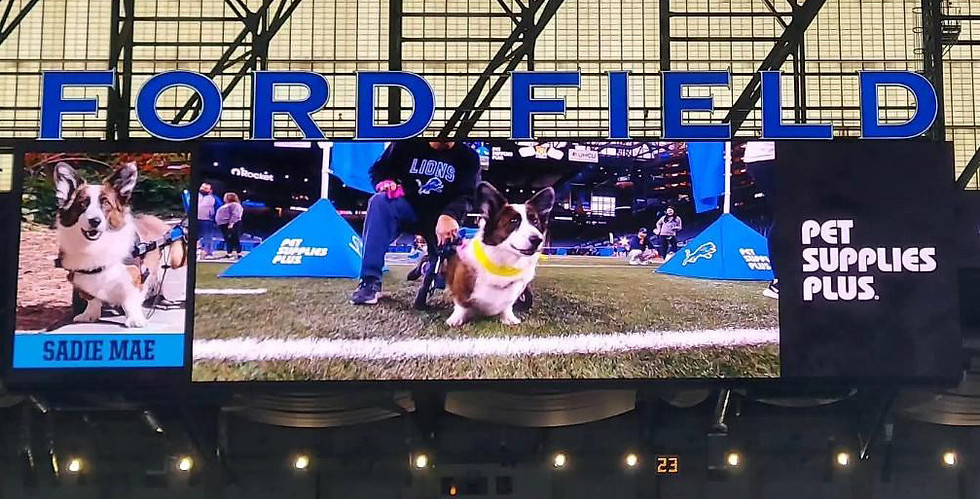
Sadie Mae captured national attention racing in her custom wheelchair, showing the world that different mobility doesn't mean a smaller life.
1. Rear Support / Lift Sling

Used for lifting, transfers, or helping with walking.
A rear support harness or lift sling can allow the caregiver to provide extra stability.
Ideal for non-ambulatory or weak dogs.
Ted's mom using a rear support to help him with walking.
2. Wheelchairs
Restores mobility and independence.
Used for dogs with paralysis or severe weaness.
Custom fit is important!
Example: Eddie's Wheels for Pets.
A dog's disability is not a death sentence! Many dogs go on to live happy lives with their wheelchairs.

3. Ramps
Helps dogs safely get on / off beds, couches, or cars.
Prevents jumping, which can trigger IVDD symptoms or worsen the degeneration.
Look for non-slip surfaces and gentle incline.

4. Non-Slip Solutions
This could be rugs with rubber backing, non-slip matts, or grip socks for your pup (if they will wear them).
These solutions may prevent the dog from slippong on hard floors (if you have any).
Better traction = more confidence and less injury risk.
5. Strollers
Keeps dogs included during periods of restricted activity.
Provides outdoor enrichment without requiring long walks.
Useful for dogs with weakness, paralysis, fatigue, or limited endurance.
Safety is important. There should be a secure tether / harness attachmenr, along with a stable and supportive surface.
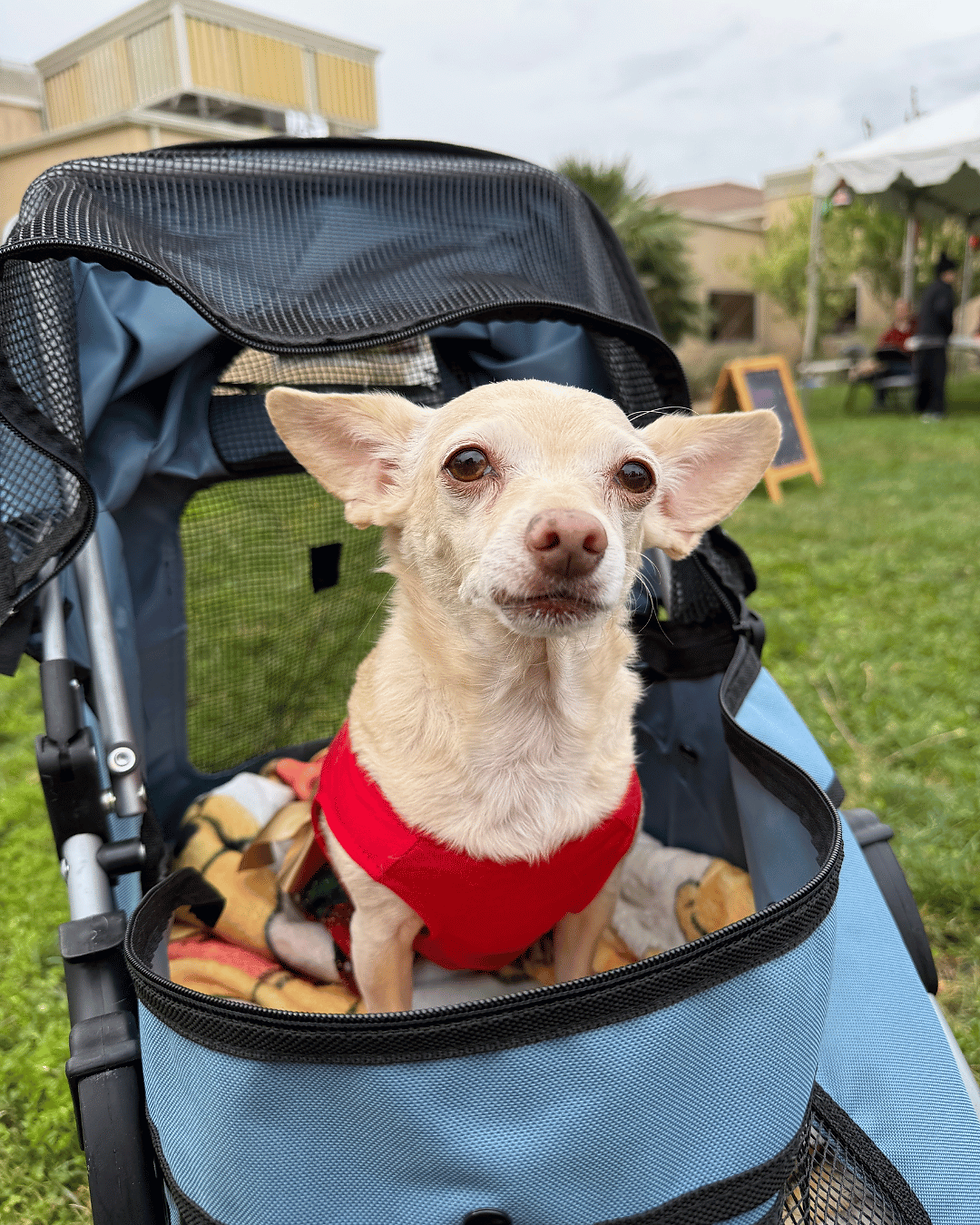
Cujo loves being out and about. Her stroller made that possible.
Mental and Emotional Support
%2C%20it's%20important%20to%20remember%20.png)
IVDD can be stressful for dogs and families.
Provide love, patience, and reassurance.
Keep routines calm and predictable.
Celebrate small victories!
You are your dogs biggest advocate!
If you or a loved one are experiencing a mental health emergency, please contact your local emergency number or text/call a local crisis lifeline.
Advice from an IVDD Pawrent.
Every Dog is Unique

Some dogs recover fully.
Some have ups and downs.
Some need long term support.
All deserve copassion, care, and hope.
Remember..
Recovery takes time, patience, and consistency.
Progress may look different for every dog.
You are not alone in this journey.
Every dog facing IVDD is a wairror.