Help protect their mobility. Know the signs .

Help protect their mobility. Know the signs .


IVDD symptoms can happen to any dog. Awareness is key!
3 Myths for All Dog Owners
Myth: "Only Dachshunds get IVDD."
Truth: Dachshunds, French Bulldogs, Corgis, and Beagles are known for IVDD due to genetics.
There are other breeds that are frequently diagnosed as well, such as: Chihuahuas, Cocker Spaniels, and mixed breeds.
Any dog could get IVDD.
Myth: "IVDD is always caused by a single bad jump or accident."
Truth: Acute trauma is rarely the root cause. It is the final straw on a disc that has been degenerating.
Unfortunately, stretching or even walking could trigger a herniation if the disc tissue is already deteriorated.
Myth: "A DNA test can tell me if my dog will develop IVDD."
Truth: Genetic tests for the CDDY-associated FGF4 retrogene can show whether a dog has a varient linked to Chondrodystrophy and a greater likelihood of premature disc degeneration.
However, because this varient is extremely common in some breeds, such as Dachshunds, the test cannot predict which individual dog will actually suffer a herniated disc.
High Risk Breeds
Certain breeds are predisposed due to their body structure and genetics.
Dachshund
Corgi
French Bulldog
Pekingese
Beagle
Shih Tzu
Basset Hound
Pugs
The following have a high risk for Hansen Type II:
German Shepherd
Labrador Retriever
Risk Factors
Age
Body Weight
Genetics
Anatomy
Previous Back or Neck Injury
Lack of Muscle Tone

Sadie Mae is an example of a risk based on anatomy and genetics.
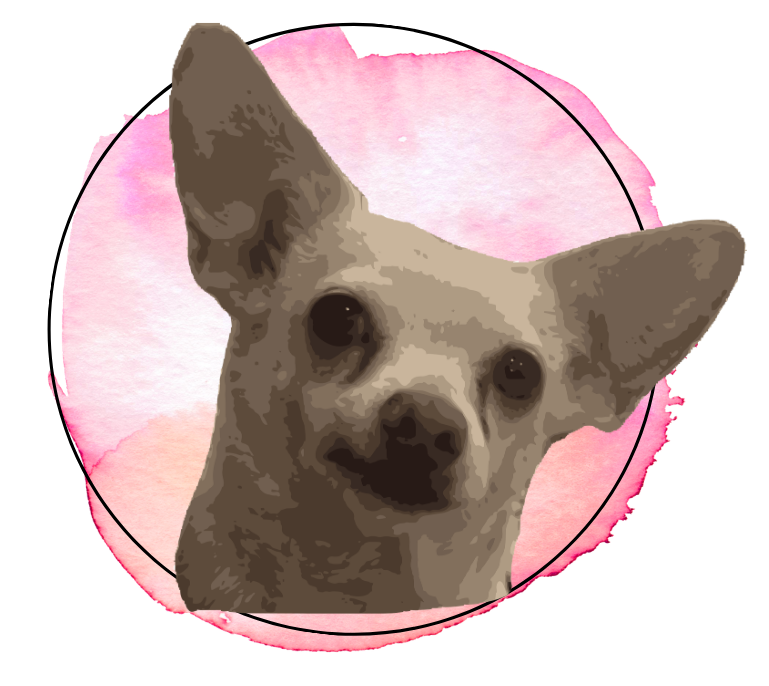
Did you know some signs of cerivcal IVDD can be mistaken for tracheal collapse?
Hidden Risks
Some risks aren't always obvious.
Disc degeneration can be silent
A dog may still run, play, and act normal while a disc is losing hydration and flexibility.
The "trigger" may not be the original cause.
A jump, twist, slip, or rough play may be the moment symptoms appear, but that movement does not necessarily create the underlying disc disease. The disc may already have been vulnerable.
Early pain can be easy to miss.
IVDD does not always begin with paralysis. Early signs can look like a dog is tired, anxious, or "not acting right."
Slipperly surfaces can create strain.
Feeling better does not always mean healed!
A dog that is repeatedly loses traction may scramble, twist, or fall.
Pain medication and rest can make a dog look better much quickly.
The improvement is encouraging, but it doesn't mean the injured area has finished healing. Follow the full restriction plan your veterinarian went over with you.
Other discs may still be vulnerable.
Treatment addresses the current episode; it does not reverse the degeneration throughout every disc in the spine.
Long term home safety, healthy weight, and appropriate activity can still matter after recovery.
Neck IVDD can look differrent.
Cervical IVDD may present mainly as neck pain or guarded movement rather than obvious hind leg weakness.
A dog may cry, shake, resist lowering the head, walk stiffly, or avoid normal movement.
Waiting can become a serious risk!
Ways to Lower the Risk
We are unable to completely prevent IVDD, but we can lower the risk.

Use ramps for the furniture and/or vehicles.
Avoid stairs as much as possible.
Maintain a healthy weight (consult with your veterinarian).
Use a harness instead of a collar.